Welcome to the
Biodiversity Mapping Team
About
The Biodiversity Mapping Team at the University of Tasmania’s Institute for Marine and Antarctic Studies is a diverse team of academics and students that are interested in quantitative marine ecology. The team is working on research in the Australian and Antarctic marine ecosystems.
Research Themes
Quantitative Ecology
Biodiversity mapping
Antarctic biodiversity
Southern Ocean Ecosystems
Marine Park Monitoring
Community Modelling
Latest News
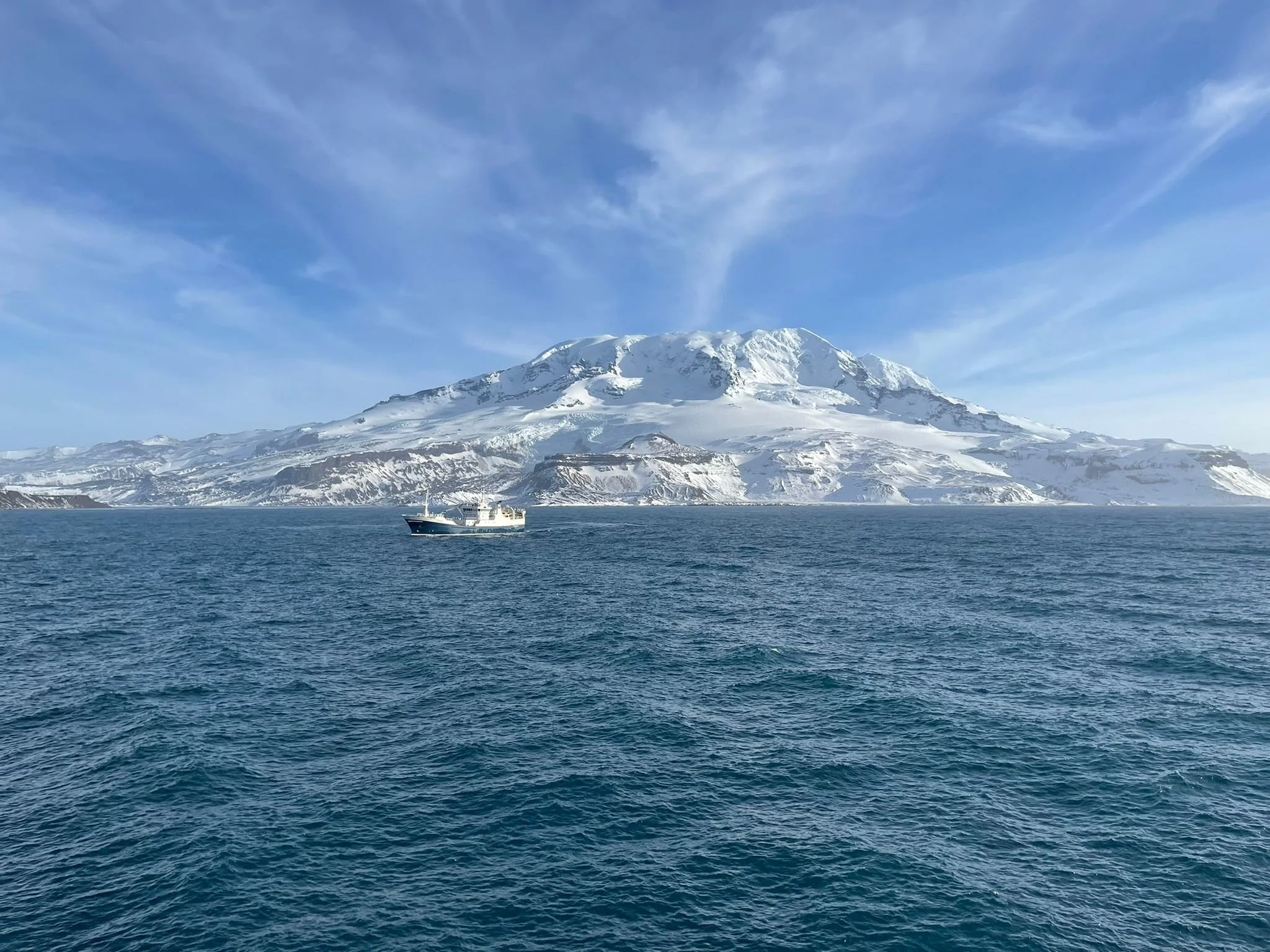
HIMI Voyage V2 departs Hobart
25 November 2025
The second voyage to Heard Island has departed Hobart. Team member Becky in onboard the RV Nuyina and is heading towards Heard Island, via Antarctica. Onboard the vessel there are scientists that will be studying everything from ice, to seals, to fish, to seabed mapping, all the with the aim of better understanding Australia’s most remote territory. Becky will be helping map the seafloor of the Kerguelen Plateau through a combination of towed video transects and cameras attached to fishing gear. This will us understand the habitat surrounding Heard Island and this information can be linked to the distribution of fishes.
See the press release!
Welcome Tarn Hingston!
20 November 2025
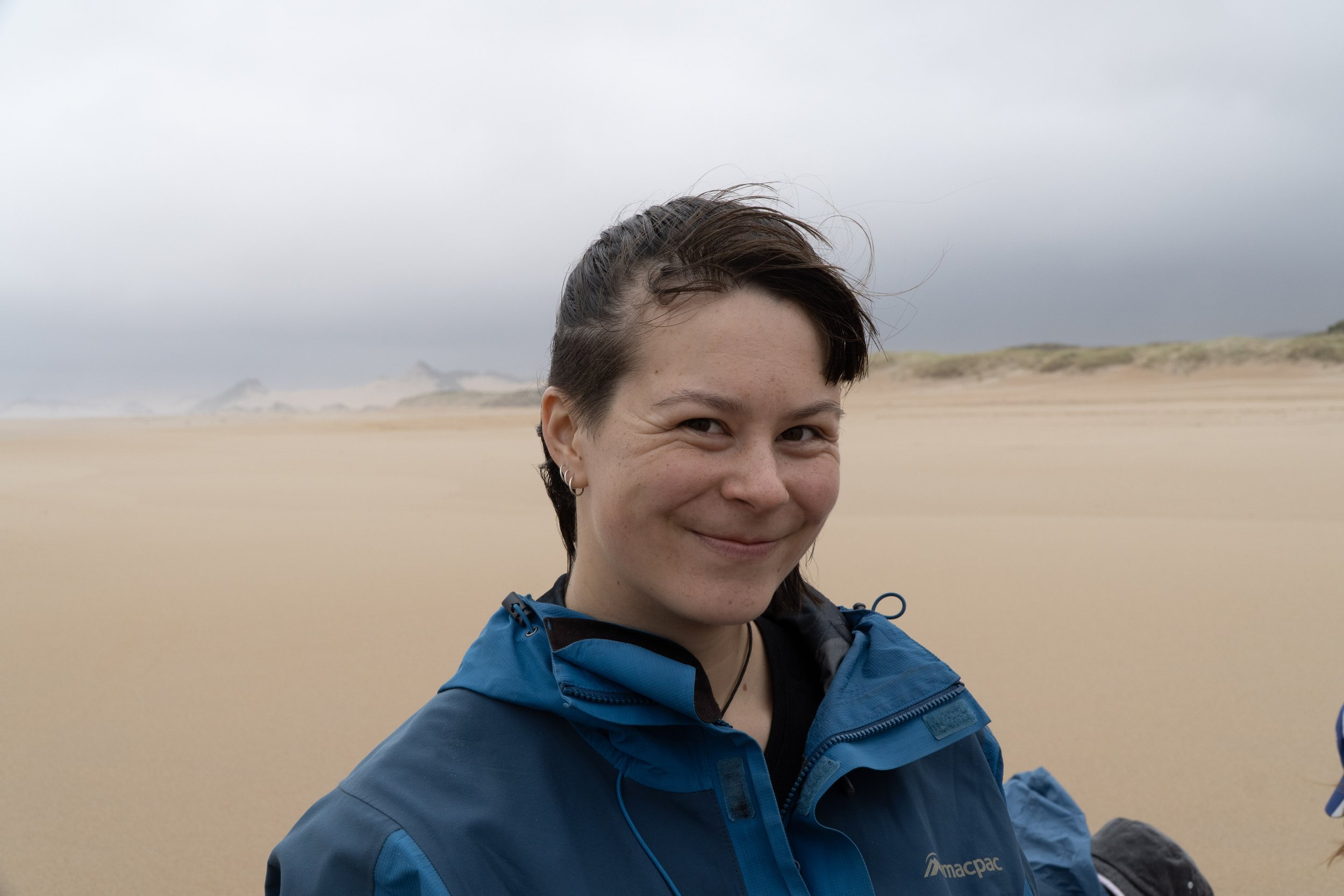
Having recently received a First Class Honours studying kelp, Tarn Hingston has joined the team to help Nicole and Jan process and annotate thousands of Antarctic seafloor imagery. Tarn is also a Great Southern Reef enthusiast! Check out some of her amazing shots!
Global Change Biology Article Hot off the press!
19 October 2025
A new paper published by the team in Global Change Biology investigates how the demersal fish assemblage of the Heard Island and McDonald Island region has changed over a two decade period. Using a contemporary joint species distribution modelling approach, the team found that many species of fish had increased in prevalence and abundance over the study period. Most notably the predicted species richness more than doubled over the period. While it is difficult to establish the causal mechanism for this increase, the team suggest it is likely a combination of changes to fishing gear used, fisheries management, removal of IUU fishing, and climate change. These findings are being used by the AAD, AFMA, CCAMLR, and the fishing industry to continually improve management to ensure sustainable Southern Ocean fisheries. The team also wrote a complimentary The Conversation article to promote the research.